%2Ffit-in%2F250x250%2Fguide_websites%2F29680%2Fimages%2F1746843880805chatgpt_image_may_10__2025__10_10_17_am-removebg-preview.png&w=1920&q=100)
White Bass and Perch Catch in Plano TX
White Bass and White Perch Fishing in Plano - What to Expect
%2F%2Fusers%2F7f8d279d-5f0c-4b20-87d0-801253f58282%2Fimages%2Fplano-white-bass-fishing-catch-2830.jfif&w=1920&q=75)
Guided Fishing Trip by Guide Carey Thorn in July

- DFW Wade or Boat Fishing-Crappie, Cats, White Bass



Summary
Join guide Carey Thorn of Carey Thorn Fishing for a guided fishing trip on Lake Lavon near Plano where white bass and white perch thrive. This Tuesday in July showcases the excellent catch potential these species offer, combining technique and local water knowledge for a rewarding day on the water.
Guided Fishing with Carey Thorn - Rates & Booking
Guide Carey Thorn of Carey Thorn Fishing leads anglers on Lake Lavon near Plano for rewarding guided fishing trips targeting white bass and white perch. These species are abundant in the lake during summer months, offering consistent action and excellent opportunities to refine your technique. Contact Carey Thorn Fishing to book your guided trip and learn about rates, group sizes, and available dates.
Guided trips include access to proven fishing grounds and expert instruction on species behavior and seasonal patterns. Local expertise in Lake Lavon conditions helps maximize your success rate and overall fishing experience. Reserve your spot to fish with a knowledgeable guide who understands what works on these waters.
Highlights of Lake Lavon Fishing
Lake Lavon offers a diverse fishery with robust populations of white bass and white perch. The lake's varied structure, including rocky points and deeper channels, creates ideal habitat for these species. Summer conditions bring predictable bite windows and exciting topwater action when conditions align with feeding periods.
The experience combines active casting with strategic positioning. White bass in particular respond well to targeted presentations, and understanding their seasonal movement patterns significantly improves catch rates. The lake's proximity to Plano makes it accessible for both local anglers and visitors seeking quality guided fishing.
Local Species Insights: White Bass and White Perch
White bass are highly migratory fish that follow food sources throughout Lake Lavon. During summer, they often school in deeper water during the heat of the day before moving to shallow feeding zones during low-light periods. These fish are aggressive feeders and respond quickly to properly presented lures and live bait. White bass typically range from one to three pounds in Lake Lavon, though larger specimens are possible for anglers who understand their movement patterns.
White perch, also called yellow perch in some regions, are schooling fish that prefer cooler, deeper water with moderate structure. They hunt small baitfish and respond well to jigging and vertical presentations. Both species can be caught together on productive days, as they sometimes share similar habitat zones during certain times of year.
Understanding the difference between these species helps refine your approach. White bass prefer slightly shallower structure and open water, while white perch favor defined cover. On Lake Lavon, guides like Carey Thorn position anglers to target both species efficiently by reading water conditions and adapting presentations based on what fish are active.
Summer fishing requires attention to water temperature and light conditions. Early morning and evening periods often produce the most consistent action as fish feed in shallower water. Midday success comes from finding deeper structure where fish retreat from intense sunlight. The guide will adjust locations and techniques based on current conditions and seasonal patterns specific to Lake Lavon.
Plan Your Fishing Day
A typical guided fishing trip on Lake Lavon involves covering multiple productive areas to locate active fish. Your guide will assess current conditions and adjust strategy throughout the day based on what the lake reveals. Bring appropriate clothing for variable weather and sun protection for extended time on the water. Most anglers find early morning trips particularly productive during summer months.
Expect to spend 4-6 hours actively fishing. Your guide provides instruction on casting accuracy, proper lure retrieval, and hook-setting technique specific to white bass and white perch. Each catch offers learning opportunities that improve your skills for future outings. Whether you're a beginning angler or experienced fisherman, guided trips adapt to your skill level and fishing goals.
Fishing in Lake Lavon: White Bass and White Perch
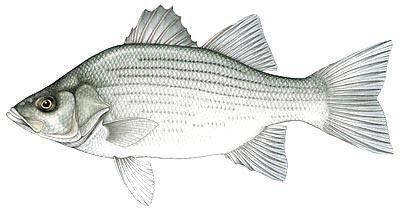
White Bass Overview
The White Bass (Morone chrysops) is a member of the Moronidae family within the order Perciformes, and it's one of North America's most beloved freshwater game fish. Also known as Sand Bass or Silver Bass, this spirited fighter is instantly recognizable by its silvery-white to pale green coloring, darker back, and distinctive narrow dark stripes running along its white belly and sides. What makes the White Bass truly special is its reputation as an aggressive and hard-fighting catch that delivers both excitement and exceptional table fare. In fact, it's the state fish of Oklahoma and has become a significant sport fish in Manitoba since its introduction there in the 1960s. Whether you're a seasoned angler or a curious outdoor enthusiast, the White Bass represents an authentic fishing experience that combines natural beauty, thrilling action, and genuine culinary reward.
White Bass Habitat and Distribution
White Bass thrive in a wide range of freshwater environments across North America, with the largest populations found in the Midwest and Great Lakes region. These fish are fairly distributed throughout the United States, with particularly strong populations around Lake Erie and Pennsylvania. Native populations inhabit Lake Poinsett, the Detroit River, Arkansas River, the Great Lakes system, and the Red River drainage, with additional populations in Wisconsin's Winnebago lakes and throughout Mississippi River systems. They prefer large rivers, shallow reservoirs, streams, and creeks—environments where they can find adequate prey and spawning grounds. White Bass typically congregate in schools upstream where prey density runs high, making them predictable targets for anglers who understand their movement patterns. Their adaptability has allowed them to establish strong populations in many reservoirs and impoundments across the country, making them accessible to recreational fishers in diverse geographic regions.
White Bass Size and Weight
White Bass typically measure between 10 to 12 inches in length, though exceptional specimens have been recorded at 18 inches or longer. Most fish caught by recreational anglers range from 1 to 5 pounds, with average catches in the 2 to 3-pound range. Some larger individuals, particularly in well-managed reservoirs and river systems, can reach weights up to 7 pounds. Size can vary considerably depending on water body health, prey availability, and population density. In areas with abundant forage fish and lower competition for food, White Bass tend to achieve larger sizes more quickly. Understanding these typical size ranges helps anglers set realistic expectations and choose appropriate tackle for their fishing adventure.
White Bass Diet and Behavior
As a carnivorous visual feeder, the White Bass actively pursues a varied diet that includes leptodora, daphnia, cyclopoid copepods, and calanoid copepods, depending on life stage and water conditions. Adult White Bass eagerly consume small minnows, shiners, and other forage fish, making them responsive to live bait presentations. They're known for their aggressive feeding behavior and will readily strike artificial lures, particularly during active feeding periods. White Bass exhibit schooling behavior, often forming tight pods that move together through preferred habitat. They're particularly active during low-light conditions—early morning, evening, and overcast days—when they venture into shallower waters to feed. At midday, they typically retreat to deeper, cooler zones. These fish are visual hunters, so they respond well to lures that create vibration and flash. Their aggressive nature is one reason they're so popular with anglers; they rarely hesitate to strike when properly presented with the right offering.
White Bass Spawning and Seasonal Activity
Female White Bass spawn between mid-March and late May, depending on water temperature and geographic location. During this spawning period, females produce an impressive 240,000 to 930,000 eggs—a reproductive capacity that supports healthy populations in managed fisheries. The White Bass has developed an unusual mating ritual where males bump against the female's abdomen to stimulate egg release. Once stimulated, the female rises near the surface, begins a distinctive spinning motion, and releases her eggs while males simultaneously fertilize them. This behavior often creates visible surface disturbances that alert observant anglers to spawning activity. Spring fishing can be exceptional during the pre-spawn and early-spawn phases when White Bass move into shallow areas and feed aggressively to prepare for reproduction. Understanding this seasonal pattern helps anglers time their trips for maximum success and allows them to witness one of nature's most dramatic natural spectacles.
White Bass Techniques for Observation and Capture
Surface Spinner and Spoon Method: Once you locate a school of White Bass, use spinners or spoons worked along the water surface to entice aggressive strikes. Cast parallel to structure and retrieve steadily with occasional pauses. This method works exceptionally well during early morning and late evening hours when White Bass feed in shallow water. The flash and vibration of spinners and spoons trigger predatory responses, making this technique highly effective for active fish.
Artificial Jig Presentation: Small jigs (1/8 ounce) tipped with black or white marabou are excellent artificial lure choices. You can also use soft plastic lures such as tube baits, small jig heads with curly tail grubs, or 1/8 to 1/4 ounce jigs rigged with soft plastic swimbaits. Cast near structure, ledges, and drop-offs, allowing the jig to flutter and bounce along the bottom. This technique works well both day and night and gives you excellent bottom-contact opportunities. Around areas like Lake Erie and Pennsylvania, jig fishing near rocky structure and underwater humps produces consistent results throughout the season.
Night Bottom Fishing with Live Bait: White Bass often feed actively at night, making bottom fishing with live minnows or shiners highly productive after dark. Use a simple slip sinker rig with a small hook and live bait, positioning yourself near current breaks, channel ledges, or structural features. Cast and hold position, allowing your bait to work naturally. This method requires patience but often produces larger specimens and fewer competitive fish. Be prepared for aggressive strikes and keep your rod tip sensitive to detect bites in low-visibility conditions.
White Bass Culinary and Utilization Notes
The White Bass has earned an excellent reputation for its exceptional taste, making it one of the most prized eating fish in North America. The flesh is firm, white, and delicate with a mild flavor that's neither too gamey nor bland. It's versatile in the kitchen—excellent baked, pan-fried, grilled, or incorporated into fish tacos and chowders. White Bass contain healthy omega-3 fatty acids and provide solid protein nutrition. The fillets are relatively easy to prepare, and the absence of strong fishy flavors makes them appealing even to those less accustomed to eating fish. Many regions have liberal catch limits specifically because White Bass populations are healthy and abundant, making them an excellent choice for anglers seeking a rewarding culinary experience without concerns about sustainability. Whether you're a home cook or restaurant enthusiast, White Bass delivers consistent quality that justifies the effort of catching them.
White Bass Frequently Asked Questions
Q: What is the best bait for catching White Bass?
A: Live minnows and shiners are excellent choices, as White Bass are visual feeders that readily strike moving prey. Artificial lures like spinners, spoons, and small jigs also produce excellent results. The choice depends on whether you prefer live or artificial presentations and your target depth.
Q: Where can I find White Bass near Lake Erie or Pennsylvania?
A: White Bass are fairly abundant throughout Lake Erie and Pennsylvania waterways. Focus on rocky structure, drop-offs, and areas with current breaks. In reservoirs and rivers, look for schools along underwater humps and channel ledges. Early morning and evening hours near shallow feeding zones often produce the best action.
Q: Is White Bass good to eat?
A: Absolutely! White Bass has exceptional taste and firm, white, delicate flesh. It's versatile in the kitchen and works well baked, pan-fried, grilled, or in various fish recipes. The mild flavor appeals to broad palates, making it an excellent choice for family dining.
Q: When is the best time to catch White Bass?
A: Spring (mid-March to May) is peak season during spawning, when fish are actively feeding. Early morning, late evening, and overcast days are productive year-round. Night fishing can produce excellent results, particularly larger specimens.
Q: Why are White Bass considered aggressive fighters?
A: White Bass live up to their reputation with explosive strikes and determined runs once hooked. They rarely hesitate to attack well-presented lures and often jump during the fight, making them thrilling opponents for anglers of all skill levels.
Q: What regulations should I know before fishing for White Bass?
A: Each state maintains specific regulations regarding minimum size, daily catch limits, and seasonal restrictions. Always consult your local fishing regulations before pursuing White Bass to ensure compliance with current rules in your target area.
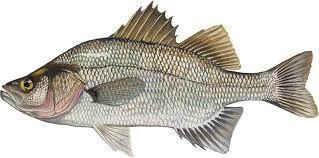
White Perch Overview
The White Perch (Morone americana) is a fascinating member of the Moronidae family within the order Perciformes, and it's one of the most accessible and exciting game fish you can encounter along the Atlantic coast. Don't let the name fool you—this silvery, dark-backed fighter is actually part of the bass family, which explains its sleek, compact body and aggressive feeding behavior. With its 3 anal spines and characteristic dorsal fin configuration, the White Perch is instantly recognizable once you know what to look for. What makes this species particularly special is its adaptability; while it thrives in brackish estuaries from Nova Scotia down to South Carolina, it's also comfortable in freshwater systems, making it accessible to anglers exploring diverse waterways and regions like the Hudson River and Chesapeake Bay.
White Perch Habitat and Distribution
White Perch are scattered throughout the western Atlantic Ocean, with their range extending from Nova Scotia all the way down to South Carolina. They absolutely love brackish waters, so your best bet for finding them is to explore tributaries and estuaries where freshwater meets the sea. The Chesapeake Bay and Hudson River are legendary hotspots where these fish congregate in impressive numbers, making them ideal destinations for both novice and experienced anglers. If you're targeting adult fish, focus your efforts on open waters close to shore. The species thrives in environments where salinity levels fluctuate, and they're equally comfortable in slightly brackish rivers with fine gravel or sand substrates. Around the Mid-Atlantic region, these fish are particularly abundant and accessible year-round.
White Perch Size and Weight
White Perch are considered small game fish, with typical catches ranging from 7 to 10 inches in length and weighing less than a pound on average. However, don't underestimate their potential—the largest White Perch ever recorded stretched to an impressive 19 inches, while the heaviest specimen tipped the scales at 3.48 pounds. These record-breakers are rare, but they prove that patience and proper technique can yield exceptional results. Most anglers find that the average fish in their cooler runs between 8 and 12 inches, which is perfect for a fun, fast-paced fishing experience.
White Perch Diet and Behavior
These carnivorous hunters are absolutely relentless in their pursuit of prey. Their diet is remarkably diverse, consisting of insects, squids, fish eggs, small crabs, and smaller fish species. What's particularly interesting is their reputation as egg-eaters—White Perch have earned a bit of notoriety in certain regions because they consume the eggs of other fish species and can outcompete native populations for both food and space. This aggressive feeding behavior makes them phenomenal game fish to pursue because they'll chase down your offerings with enthusiasm. They prefer warm water that isn't too hot, so look for shadowed areas where cooler water provides refuge. Their feeding intensity peaks during early morning and evening hours, though they'll feed actively throughout the day if conditions are favorable.
White Perch Spawning and Seasonal Activity
Here's where things get really interesting: White Perch are semi-anadromous, meaning they migrate between different water types for breeding. These fish live primarily in brackish waters but undertake impressive spawning migrations into freshwater rivers each spring. The prime spawning window occurs from April through June, when water temperatures reach the ideal range of 50 to 60 degrees Fahrenheit. During this period, large schools migrate upstream to rivers with fine gravel or sand substrates to deposit their eggs. A single female can lay between 20,000 and 300,000 eggs per spawn—an astronomical number that demonstrates their reproductive commitment. The eggs themselves are fascinating: they clump together with an adhesive quality that helps them attach securely to vegetation and rocks. After spawning, parents abandon the eggs and return to brackish waters, leaving the developing fry to fend for themselves.
White Perch Techniques for Observation and Capture
Fly Fishing Method: A 6 to 7-foot fly rod paired with a 6 to 8-pound test medium-light rod is more than sufficient for White Perch. Since they don't require long casting distances, shorter rods are actually advantageous for accuracy and control. Use 4 to 8-pound monofilament or braided line, and equip your setup with multiple hook rigs—ideally 2 to 4 hooks—so you can maximize your catch during active feeding periods. Hook sizes 5 through 8 work best for these smaller fish. The technique is straightforward: cast your jig or baited hook into the strike zone, let it settle momentarily, then jig it upward with a steady retrieve to imitate fleeing prey. This predator-prey dynamic triggers aggressive strikes.
Bait and Lure Strategy: White Perch have a particular weakness for bloodworms and minnows—these are your go-to live baits. If you prefer artificials, hair jigs and rooster tails are consistently effective at drawing strikes. Soft plastic lures that resemble small baitfish also work wonderfully. The key is to present your offering in shallow to mid-depth waters near structure like pilings, weed beds, and rocky outcrops where these fish congregate. Around the Hudson River and Chesapeake Bay, try early morning sessions when schools move into shallower feeding zones.
Timing and Location: Your success rate jumps dramatically during spring spawning runs (April to June) when massive schools concentrate in specific river systems. Early morning and evening hours produce the most consistent action, though any time of day can yield results. Target areas where tributaries meet larger bodies of water, as these transitional zones concentrate feeding fish. Catching doubles is common when you hit the timing right—it's not unusual to land several fish in rapid succession during peak periods.
White Perch Culinary and Utilization Notes
White Perch have average odds as a food fish, meaning they're edible and can be prepared in various ways, though they're not typically considered a premier culinary target. The meat is mild and can be prepared through frying, baking, or steaming. These fish are nutritious and sustainable to harvest, making them a reasonable option if you're planning a fish fry. However, most anglers pursuing White Perch do so primarily for the sport and excitement rather than the table fare. The real value lies in the good odds for angling success—they're abundant, willing strikers, and provide fantastic recreational opportunity. Their propensity to catch multiple specimens quickly makes them excellent fish for teaching beginners or for an action-packed outing.
White Perch Frequently Asked Questions
Q: What is the best bait for catching White Perch?
A: Bloodworms and live minnows are your top choices, though White Perch will also enthusiastically chase hair jigs, rooster tails, and soft plastic lures. The key is matching the size of your offering to the forage in your local system—smaller baits and lures in the 1 to 3-inch range typically outperform larger offerings.
Q: Where can I find White Perch near the Chesapeake Bay region?
A: The Chesapeake Bay is one of the most abundant White Perch fisheries on the East Coast. Focus on tributary rivers and estuaries during spring spawning runs, particularly areas where freshwater streams meet brackish water. The upper Chesapeake tributaries and the Susquehanna River are particularly productive.
Q: Why is the White Perch called a perch when it's actually a bass?
A: This is a common source of confusion. The White Perch is scientifically classified in the Moronidae family (the bass family) rather than the true perch family. Despite the misnomer, its body structure, spinal configuration, and behavior closely align with bass characteristics, not true perches.
Q: When is the best time to catch White Perch?
A: Spring (April through June) during the spawning migration is peak season, when massive schools move into freshwater tributaries and are highly aggressive. However, these fish can be caught year-round in brackish waters. Early morning and evening hours consistently produce the most strikes during calmer conditions.
Q: Is the White Perch good to eat?
A: White Perch are edible with mild, acceptable meat quality. They can be fried, baked, or steamed and are nutritious choices. However, most anglers target them for sport rather than food value. The real appeal lies in their abundance, willingness to strike, and the fast-paced action they provide.
Q: What rod and reel setup do I need for White Perch?
A: A 6 to 8-pound test medium-light rod paired with a modest reel is perfectly adequate. A 6 to 7-foot fly rod is ideal since you won't need long casting distances. Use 4 to 8-pound monofilament or braided line and equip multiple hook rigs so you can catch more fish efficiently.